Gear Reviews & Comparisons
Memory Foam vs Inflatable Travel Pillows: Which Is Better?
Memory foam is more comfortable and consistent; inflatable is far smaller and lighter. Choose foam if comfort on long flights matters most and you have the bag space, and inflatable if you travel carry-on only or commute daily.
Last reviewed
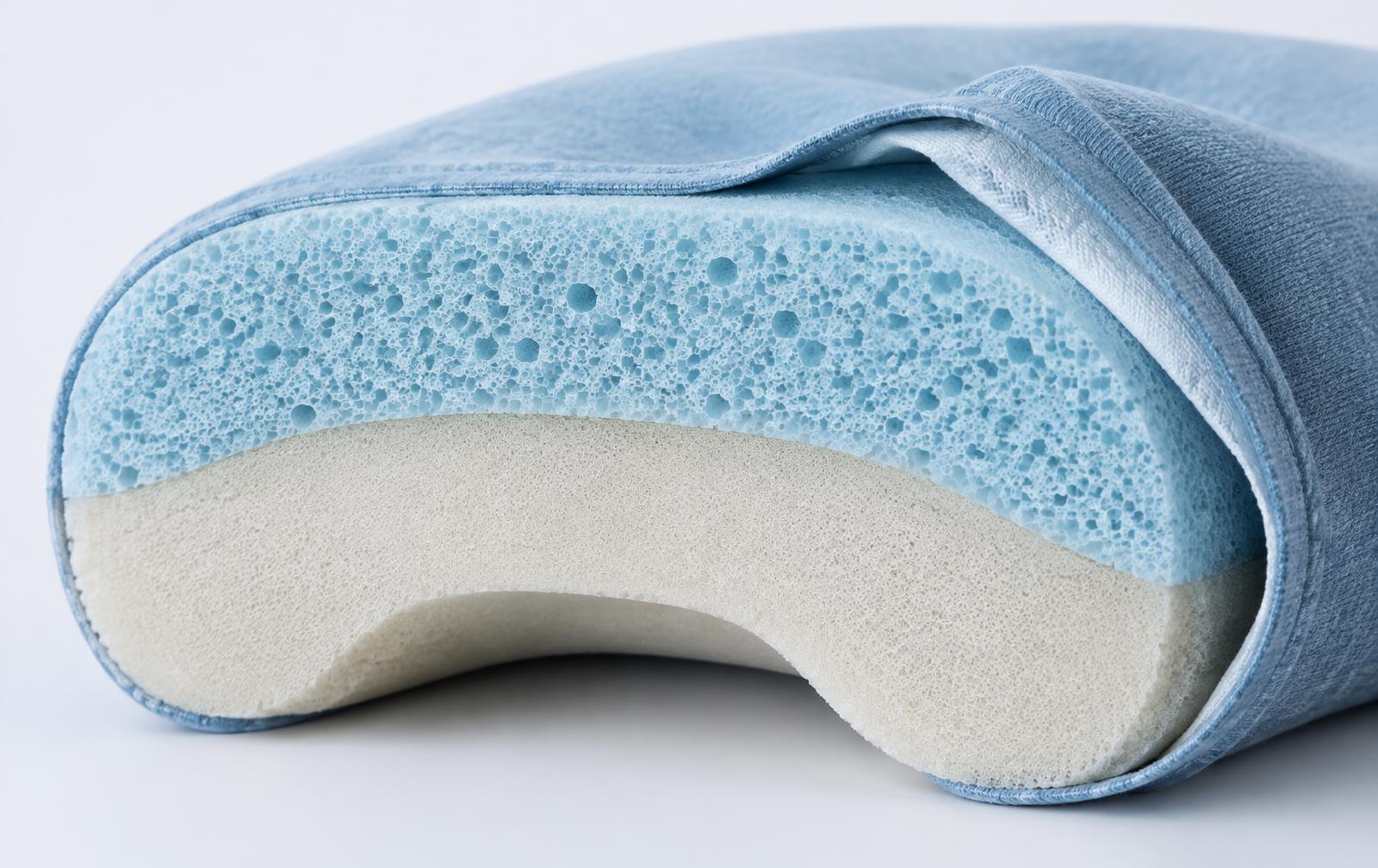
At a glance
| Factor | Memory foam | Inflatable |
|---|---|---|
| Comfort | Plush, conforms to your neck | Firmer, can feel 'bouncy' |
| Support consistency | Consistent | Depends on how much you inflate it |
| Packed size | Large unless compressed | Very small |
| Weight | Heavier | Very light |
| Temperature | Can trap heat | Usually cooler, depends on cover |
| Durability | Long-lasting if cover is washable | Valves and seams can leak |
| Adjustability | None | Adjust firmness by air |
When memory foam wins
- Overnight or long-haul flights where comfort matters most.
- Travelers who check a bag or don't mind clipping a pillow to their backpack.
- People who dislike the feel of plastic or vinyl near their face.
Learn how density and rebound affect feel in the foam guide.
When inflatable wins
- Personal-item-only trips and budget airlines with strict bag limits.
- Daily commuters who need something pocketable.
- Hot sleepers who want less insulating material.
Tip: inflate to about three-quarters full. Over-inflated pillows push the head forward; slightly soft ones cradle better. Cabin pressure changes can make a pillow feel firmer at altitude, so adjust after takeoff.
A middle path
Some designs combine a thin foam layer with an air chamber, or use a structured insert in a flat fabric wrap. These collars aim for foam-like comfort with smaller pack size. Compare styles in the travel neck pillows guide or see our airplane picks.